Ancient Rome Had Influencers Who Turned Dinner Into Content — and Everyone Hated Them

Walk into any dinner party in ancient Rome and you'd find him: the guy who made his eating habits everyone else's problem. He'd arrive fashionably late, scan the spread with theatrical disapproval, then launch into a detailed explanation of why he only ate barley and why you should too. Sound familiar?
 Photo: Ancient Rome, via colosseumrometickets.com
The Romans had multiple words for this character, but abstinens — the self-denier — captured it best. Not as a compliment.
The Original Wellness Warriors
Roman dinner parties weren't just meals; they were performance spaces. Your food choices broadcasted your philosophy, your discipline, your entire approach to life. The abstinens understood this perfectly and turned every gathering into his personal TED talk.
Seneca the Younger, the Stoic philosopher who basically invented the self-help genre, wrote extensively about proper eating. But even he got annoyed by the guys who turned dietary restraint into theater. "Some people fast in such a way that everyone knows they're fasting," he complained. "They make their hunger everyone else's business."
 Photo: Seneca the Younger, via www.delphiclassics.com
The pattern was always the same: arrive hungry, refuse the good stuff, explain why at length, then watch everyone else eat while delivering unsolicited lectures about self-control. The Roman equivalent of posting your intermittent fasting window on Instagram stories.
Status Through Suffering
What made the Roman diet influencer so insufferable wasn't the dietary choices themselves — it was the performance. Restriction became a form of social currency, a way to signal superiority through visible self-denial.
The wealthy could afford elaborate feasts, but the truly sophisticated? They could afford to refuse them. It was the ultimate flex: having access to the best food in the empire and publicly choosing not to eat it. Every declined dish was a humble-brag about your spiritual development.
Pliny the Elder documented this phenomenon extensively, noting how certain Roman elites would show up to banquets just to not eat, making sure everyone noticed their empty plates and philosophical superiority. They weren't just avoiding food — they were consuming attention.
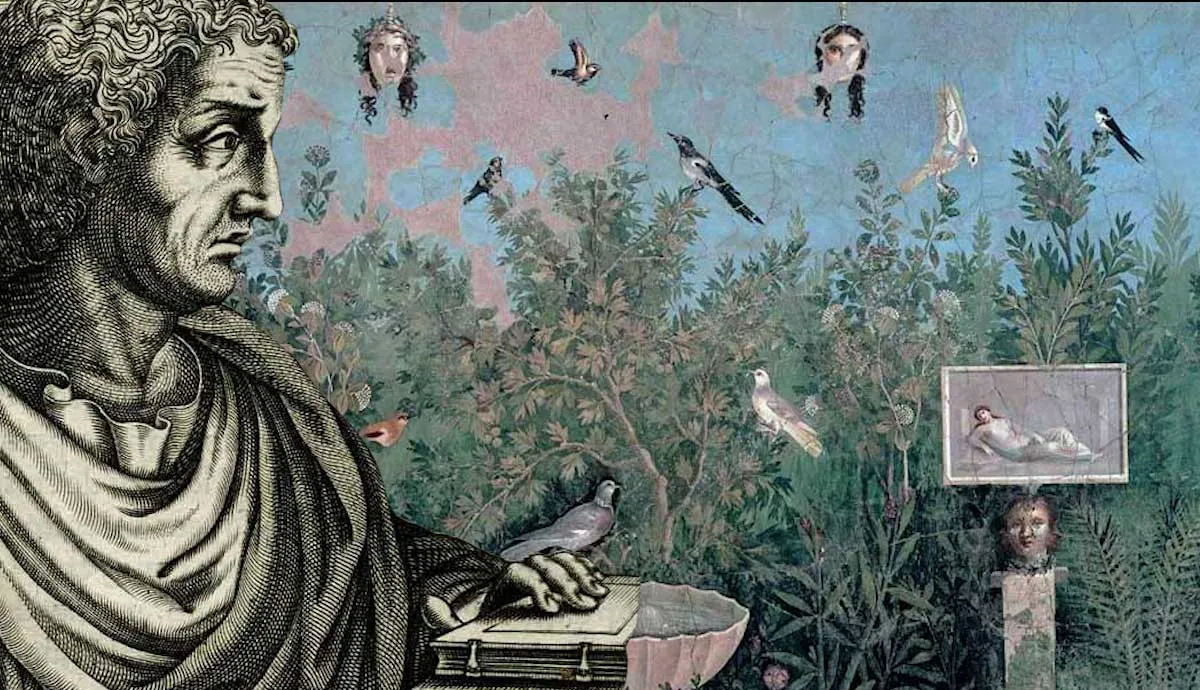 Photo: Pliny the Elder, via cdn.thecollector.com
The Puritan Upgrade
Fast-forward fifteen hundred years and American Puritans perfected the formula. They took Roman-style dietary performance and added religious guilt, creating a system where your breakfast choices reflected your relationship with God.
Puritan dinner tables became stages for moral performance. Simple foods weren't just practical — they were proof of spiritual purity. Elaborate meals suggested dangerous pride. The guy who made a show of eating only plain bread wasn't just being frugal; he was demonstrating his superiority over neighbors who enjoyed their food too much.
The psychology remained identical to Rome: use food restriction as a way to signal virtue, then make sure everyone knows about your sacrifice. The Puritans just added eternal damnation to the stakes.
Modern Macro Missionaries
Today's carnivore-keto-fasting influencer complex is the same performance with better production values. The platforms changed, but the psychology didn't. Instagram stories replaced dinner party monologues. Macro tracking apps replaced philosophical treatises. But the core behavior remains: turn your eating habits into content, then use that content to signal superiority.
The modern diet influencer posts their meals not because anyone asked, but because restriction performed publicly becomes social currency. Every "What I Eat in a Day" video is a descendant of the Roman abstinens holding court at a dinner party, making sure everyone knew about his superior relationship with food.
Why We Keep Falling for It
The reason this pattern repeats across millennia isn't because diets don't work — it's because humans are wired to use visible self-denial as a status signal. Food restriction that's performed publicly hits multiple psychological buttons: it demonstrates discipline, suggests special knowledge, and creates in-groups and out-groups.
Every culture develops its own version because the underlying psychology is universal. We're social animals who use consumption patterns to establish hierarchy. The Roman who refused wine, the Puritan who ate plain porridge, and the influencer who posts his 48-hour fast are all running the same software — they're just using different operating systems.
The Timeless Truth
Seneca eventually figured out the real problem with diet performance: it misses the point entirely. "The purpose of abstaining from food," he wrote, "is not to make others aware of your abstinence." The moment your dietary choices become everyone else's business, you've stopped practicing philosophy and started practicing theater.
Two thousand years later, we're still watching the same show. The only thing that's changed is the stage.