America's Constitution Is a 200-Year-Old Anti-Celebrity Machine — and It's Working Exactly as Designed
America's Constitution Is a 200-Year-Old Anti-Celebrity Machine — and It's Working Exactly as Designed
James Madison had nightmares about Julius Caesar. Not literally — though given how obsessively he studied the Roman Republic's collapse, it's possible. Madison and his fellow Founders weren't building a government in the abstract. They were building a specific defense system against a specific threat they'd watched destroy the most powerful republic in history.
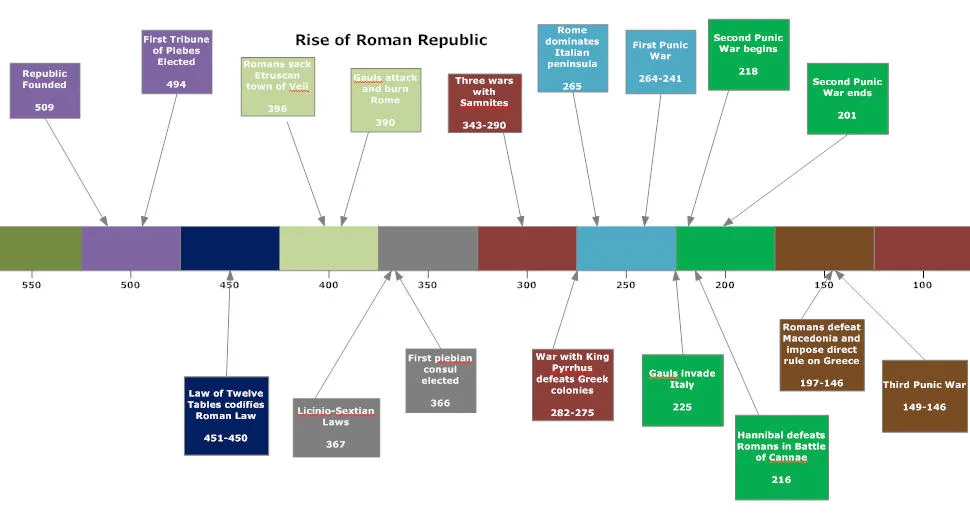 Photo: Roman Republic, via sparta11.weebly.com
 Photo: James Madison, via historicbios.com
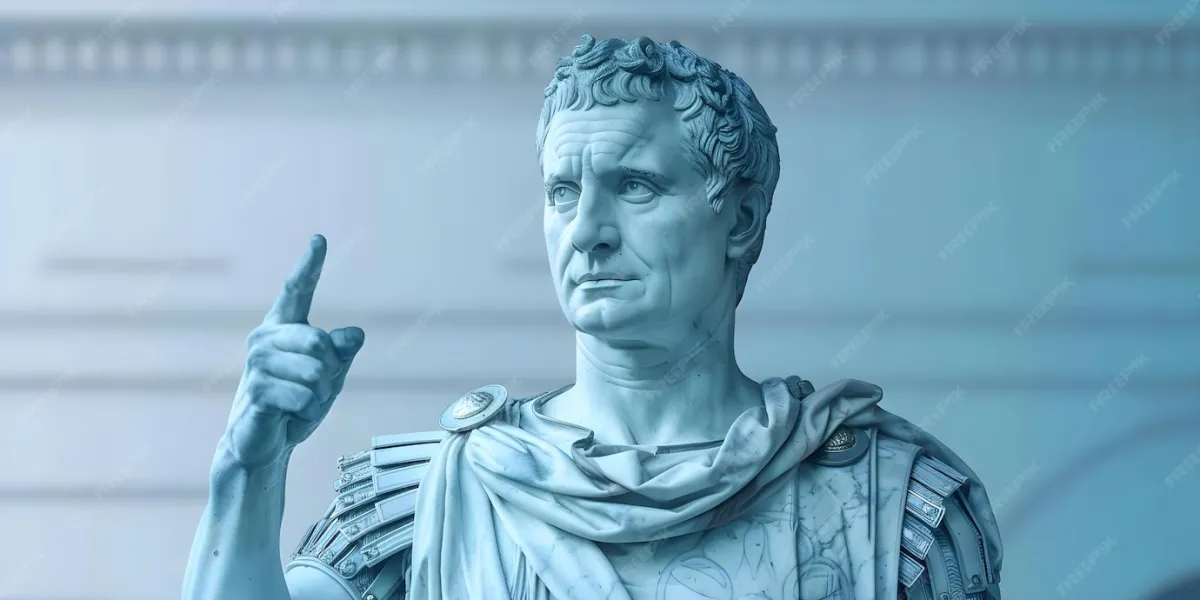 Photo: Julius Caesar, via img.freepik.com
The threat? Celebrity politicians who turn popularity into permanent power.
The Caesar Problem
When the Founders sat down to write the Constitution, they didn't have to imagine how democracies die. They had the ultimate case study: Julius Caesar's rise from popular general to dictator for life. The Roman Republic had lasted 500 years before one charismatic politician figured out how to convert military victories and crowd appeal into absolute authority.
Alexander Hamilton obsessed over this. In his private notes, he wrote extensively about Caesar's path to power: how he used military success to build a personal following, leveraged that following to bypass traditional institutions, then used emergency powers to eliminate opposition. Hamilton called it "the celebrity trap" — when individual fame becomes more powerful than institutional authority.
The pattern was clear and terrifying: give people a hero, and they'll trade their republic for him.
Anti-Celebrity Engineering
Every weird, seemingly inefficient part of the American system makes perfect sense when you realize it's designed to prevent another Caesar. The Founders weren't trying to build the most democratic system possible — they were trying to build a Caesar-proof system.
Take the Electoral College. Everyone complains about it, but it's not a bug — it's a feature. The Founders were terrified of direct democracy because that's exactly how Caesar rose to power. He appealed directly to the masses, bypassing the Roman Senate. The Electoral College forces presidential candidates to build geographically diverse coalitions instead of just becoming really, really popular in big cities.
The Senate works the same way. Two senators per state, regardless of population, means you can't become president just by being beloved in California and New York. You have to win over people in places that don't care about your celebrity status.
The Separation of Powers Firewall
The most brilliant anti-celebrity feature is how the Constitution splits power between branches that operate on completely different timelines. House members serve two years, senators six, presidents four, and Supreme Court justices for life. This makes it nearly impossible for one charismatic leader to capture the entire government at once.
Caesar conquered Rome by controlling the military and appealing to the masses simultaneously. The American system makes this structurally impossible. The president commands the military but can't declare war. Congress can declare war but can't command troops. The Supreme Court can check both but can't initiate anything.
Madison called this "ambition countering ambition." Each branch has incentives to resist the others, regardless of how popular any individual leader becomes.
The Impeachment Escape Hatch
The ultimate anti-Caesar feature is impeachment — the constitutional mechanism for removing a president who becomes too powerful. The Founders studied Caesar's rise obsessively and noticed something crucial: the Roman Republic had no legal way to remove a popular dictator once he gained power.
Impeachment fixes this. It doesn't matter how beloved a president becomes — if they abuse their authority, Congress can remove them. The process is deliberately difficult, requiring broad consensus, but it's always available. It's the constitutional equivalent of a fire alarm.
Andrew Johnson, Richard Nixon, Bill Clinton, and Donald Trump all discovered this the hard way. Popularity with your base isn't enough if you cross constitutional lines.
Why It Still Works
The genius of the anti-celebrity system is that it doesn't try to prevent popular leaders — it just prevents them from becoming permanent. Barack Obama was incredibly popular but couldn't run for a third term. Donald Trump had an intensely loyal following but couldn't bypass Congress or the courts. The system allows for celebrity politicians while preventing celebrity dictators.
This drives everyone crazy because it makes American government seem inefficient and unresponsive. But that's exactly the point. The Founders weren't trying to build a system that could do anything quickly — they were trying to build a system that couldn't be captured by anyone permanently.
The Modern Test
Every few decades, America gets a president who tests the anti-celebrity defenses. They develop intense personal followings, claim to speak for "the people" directly, and push against constitutional limits. The system's response is always the same: resistance, friction, and ultimately containment.
The beauty of the Constitution is that it doesn't rely on the good intentions of politicians or the wisdom of voters. It assumes that sooner or later, someone will try to become Caesar. When they do, the system is ready.
The Founders' Bet
Madison, Hamilton, and Jefferson made a bet that institutional design could be stronger than individual charisma. They studied every failed republic in history and built a government specifically engineered to survive its own leaders.
Two hundred and thirty-five years later, that bet is still paying off. The Constitution remains the world's oldest written constitution precisely because it was designed by people who understood that republics don't die from external invasion — they die from internal celebrity.
Caesar taught the Founders that the greatest threat to democracy isn't foreign enemies or economic collapse. It's the guy who convinces people he's the only one who can save them.