You know that feeling when you tell yourself "just one more article" at midnight, then suddenly it's 3 AM and you're reading about the mating habits of deep-sea anglerfish? Medieval monks knew that exact same spiral — they just did it with hand-copied manuscripts instead of Reddit threads.
The monasteries of medieval Europe weren't the serene libraries of popular imagination. They were buzzing with scribes who displayed what can only be described as textual addiction, compulsively copying, collecting, and hoarding manuscripts with the same fervor that drives modern content binges. The church hierarchy noticed this pattern and gave it a name: curiositas — unhealthy curiosity that pulled monks away from prayer and into endless information consumption.
The Manuscript Hoarders
Monastic libraries reveal the psychological fingerprints of their creators. At the Abbey of Saint Gall in Switzerland, monks accumulated over 400,000 manuscripts by the 12th century — far more than any single person could read in multiple lifetimes. Sound familiar? It's the medieval equivalent of having 47 browser tabs open and a "read later" folder with 2,847 unread articles.
The copying process itself became compulsive. Monks would transcribe texts they'd already copied multiple times, creating duplicate after duplicate of the same works. They justified this as preservation, but the psychological pattern is identical to someone who bookmarks the same article across different platforms "just to be safe." The need wasn't rational — it was the ancient brain's hoarding instinct applied to information instead of food.
Church records from the period are filled with complaints about scribes who couldn't stop. Abbots wrote frustrated letters about monks who neglected their prayer duties to chase down rumors of rare texts at other monasteries. They describe brothers who would trade away food rations for access to new manuscripts, or who would stay up all night copying by candlelight, ruining their eyesight in pursuit of just one more text.
The Algorithm Was Curiositas
Medieval church doctrine identified curiositas as a specific vice — the compulsive need to know things that weren't immediately useful for salvation. Saint Augustine wrote extensively about it, describing how the mind becomes enslaved to novelty-seeking, always hungry for the next piece of information regardless of its value.
The symptoms Augustine described map perfectly onto modern digital addiction: restlessness when cut off from new information, inability to focus on important tasks due to wondering what else might be available, and the illusion that consuming more content would somehow lead to wisdom or satisfaction. Medieval theologians understood what Silicon Valley would later weaponize — that human brains are wired to find information-seeking intrinsically rewarding, even when it serves no practical purpose.
Monks developed elaborate justifications for their manuscript obsessions, just like modern users rationalize endless scrolling as "staying informed" or "research." They claimed each new text might contain crucial spiritual insights, that comprehensive knowledge was necessary for proper devotion, that they were preserving important works for future generations. The rationalizations were different, but the underlying compulsion was identical.
The Medieval Intervention
By the 13th century, monastic orders began implementing what we'd now recognize as digital wellness strategies. The Cistercians banned the copying of non-essential texts. The Dominicans instituted mandatory "information fasts" where monks were forbidden from accessing new manuscripts for extended periods. Some monasteries designated specific hours for reading and copying, with the rest of the day devoted to manual labor — a medieval version of app time limits.
These interventions worked about as well as modern attempts to control screen time. Monks found workarounds, traded texts secretly, or simply ignored the restrictions when supervision was lax. The psychological drive was too strong for administrative solutions to fully contain.
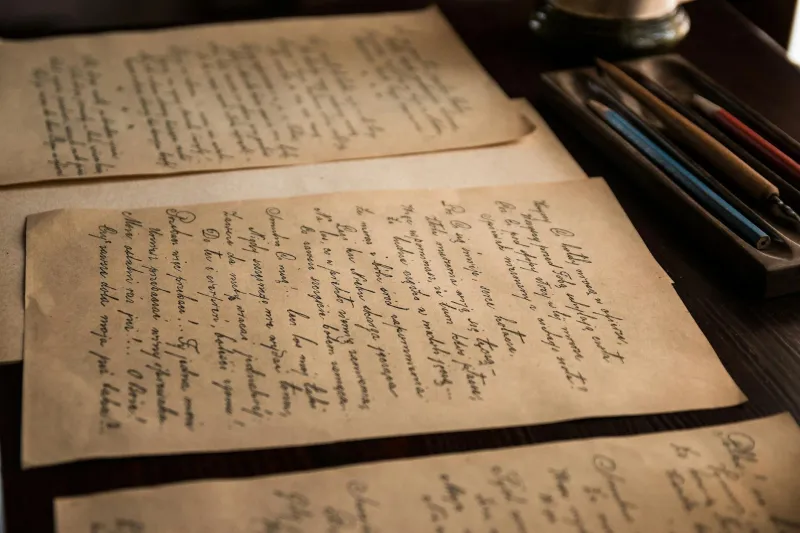
The most telling evidence comes from marginalia — the notes monks wrote in manuscript margins. These reveal the same scattered attention patterns seen in modern digital consumption. A monk would start copying a religious text, get distracted by an interesting tangent, begin copying something else, then jump to a third topic before finishing either of the first two. Medieval manuscripts are littered with half-finished projects and abandoned copying attempts, the parchment equivalent of a computer desktop covered in half-read PDFs.
The Dopamine Hit of Discovery
What drove medieval manuscript addiction was the same neurochemical reward system that powers modern content consumption. Each new text offered the possibility of discovery — maybe this one would contain the crucial insight, the missing piece of knowledge, the transformative idea. The anticipation triggered dopamine release, making the search itself more rewarding than actually reading and understanding the content.
Monks describe the physical sensation of finding a new text in terms that sound remarkably like modern descriptions of getting a notification or discovering a compelling thread. Their hearts raced, they felt energized and focused, they experienced what we now call "flow state" during the copying process. But like modern digital highs, the satisfaction was temporary, quickly replaced by restlessness and the need for the next textual fix.
The parallel extends to content quality. Just as modern algorithms promote engagement over truth, medieval manuscript culture valued rarity and novelty over accuracy or usefulness. Monks would copy obviously fictional texts, contradictory accounts of the same events, or works by discredited authors, driven more by the thrill of acquisition than by genuine scholarly purpose.
Nothing New Under the Digital Sun
Your 2 AM Reddit spiral isn't a modern problem — it's an ancient pattern wearing new clothes. The human brain that compulsively collected manuscripts in medieval monasteries is the same brain that can't resist checking "just one more" social media post. The technology changed, but the psychology remained constant.
Medieval monks and modern internet users share the same fundamental delusion: that consuming more information will somehow satisfy the craving for it. Augustine identified this as the core fallacy of curiositas — the belief that knowledge accumulation equals wisdom, that breadth of consumption substitutes for depth of understanding.
The next time you find yourself trapped in an endless scroll, remember that you're experiencing something medieval monks knew intimately. They just had to walk to the library to feed their addiction, while yours fits in your pocket. The compulsion is ancient; only the delivery mechanism is new.