The Test That Broke a Civilization: How China Invented the SAT 1,400 Years Ago and Regretted It Immediately

The World's First Meritocracy Was a Disaster
In 605 AD, the Chinese Emperor Yangdi faced a problem that sounds remarkably modern: how do you staff a government when all the qualified candidates are related to each other? For centuries, imperial positions had been handed down through aristocratic families, creating a ruling class more interested in palace intrigue than actual governance.
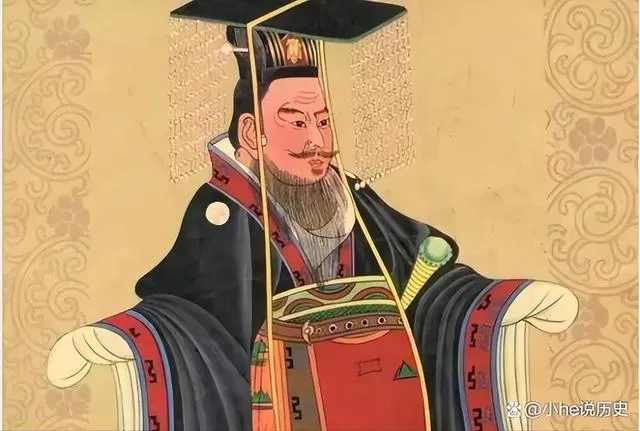 Photo: Emperor Yangdi, via p1-tt.byteimg.com
So Yangdi did something revolutionary. He created the imperial examination system — the world's first attempt to replace hereditary privilege with standardized testing. Any man could theoretically take the test, regardless of family background. Success meant instant access to the most powerful positions in the empire.
It was supposed to create a true meritocracy. Instead, it created every problem that modern Americans associate with high-stakes testing, from cram schools to cheating scandals to families bankrupting themselves for test prep. The Chinese figured out what happens when you try to measure human worth with a single exam, and they spent the next 1,300 years trying to fix the mess they'd created.
When Studying Becomes a Mental Health Crisis
Within two generations of its creation, the imperial examination system had produced what Tang Dynasty records describe as an epidemic of "examination madness." Young men would spend decades preparing for tests that might be offered only once every three years. The psychological toll was devastating.
A 7th-century physician named Sun Simiao documented what we'd now recognize as test anxiety disorder: "Candidates suffer from sleeplessness, loss of appetite, and trembling hands. Some speak to themselves constantly, rehearsing essays. Others become so afraid of failure that they cannot write at all when the time comes."
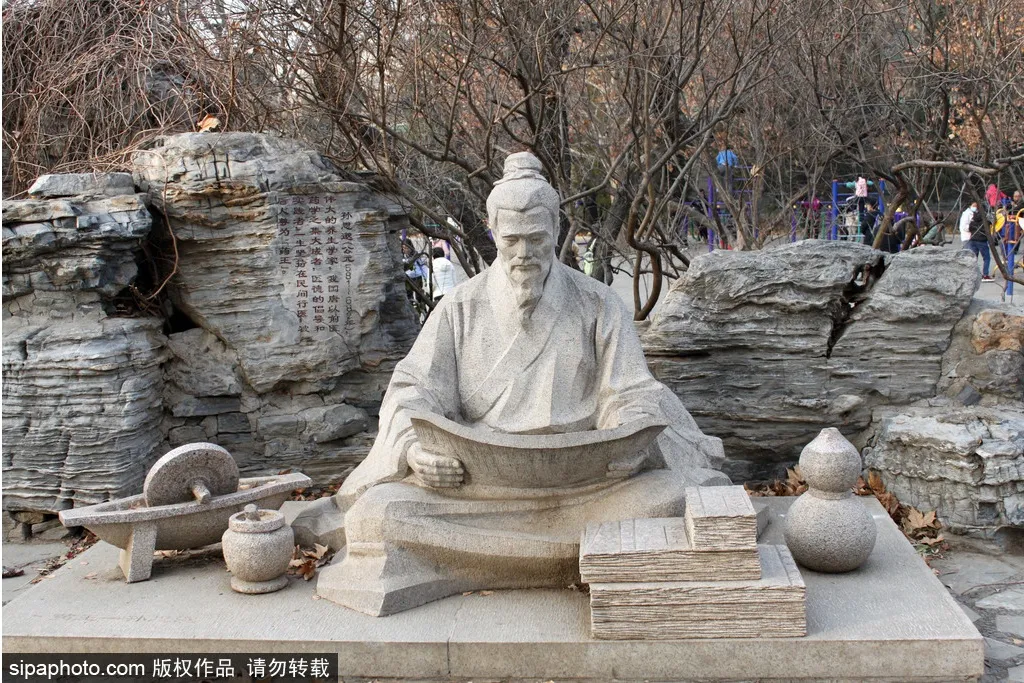 Photo: Sun Simiao, via img-rs.huanqiucdn.cn
The cramming culture was intense beyond modern comprehension. Candidates memorized entire libraries of classical texts, not for understanding, but for regurgitation. A successful candidate was expected to have perfect recall of thousands of poems, historical chronicles, and philosophical treatises. The studying never stopped — men in their forties were still grinding through practice essays, hoping for one more chance at the exam.
Sound familiar? The psychological profile of a Tang Dynasty examination candidate is virtually identical to that of a modern SAT-obsessed high school student: sleep-deprived, anxious, and convinced that their entire future depends on performing perfectly on a single test.
Rich Families Always Find a Way
The imperial examination was designed to break aristocratic monopolies on power, but within a few generations, it had simply created new ones. Wealthy families quickly realized that "merit" could be purchased through intensive tutoring, private libraries, and years of full-time study that poor families couldn't afford.
By the Song Dynasty (960-1279), examination success had become hereditary in practice if not in law. The same families kept producing successful candidates, not because of superior genes, but because of superior resources. They hired the best tutors, bought the most comprehensive study materials, and could afford to support sons who studied full-time for decades.
A 12th-century critic named Zhu Xi noted the obvious: "The examination selects not for virtue or ability, but for the wealth to purchase preparation. The poor man's son, however brilliant, cannot compete with the rich man's son who has been trained from birth."
 Photo: Zhu Xi, via s.yimg.com
This is the exact same critique that modern researchers make about the SAT. The test was supposed to level the playing field, but it ended up reinforcing existing inequalities while providing a veneer of fairness.
The Cheating Got Creative
When you make a single test the gateway to wealth and power, people will find ways to game it. Chinese examination cheating reached levels of sophistication that would impress modern college admissions scandal investigators.
Candidates smuggled in micro-printed cheat sheets written on silk underwear. They bribed guards to look the other way while they passed notes. They hired ringers to take tests under false names. Some families spent fortunes creating fake genealogies to qualify for examination slots reserved for certain regions.
The most elaborate scheme involved a network of corrupt officials who would pre-arrange examination questions with wealthy candidates. The scandal, when it was discovered in 1397, brought down dozens of high-ranking bureaucrats and led to public executions. But within a generation, new cheating networks had emerged.
The psychological pressure was so intense that otherwise honest people routinely justified cheating as a moral necessity. If your family's entire future depended on test performance, and you knew that other people were cheating, what choice did you have?
The Credential Arms Race Never Ends
As the imperial examination system matured, something predictable happened: credential inflation. What started as a test of basic literacy and classical knowledge gradually became an impossibly complex ordeal requiring years of specialized preparation.
By the Ming Dynasty (1368-1644), there were multiple levels of examinations, each more difficult than the last. Passing the county-level test qualified you to take the provincial test. Passing that qualified you for the metropolitan examination. Success there earned you the right to take the palace examination administered by the emperor himself.
The result was a class of professional test-takers who spent their entire lives moving from one examination to the next, accumulating credentials but never actually doing any useful work. A 16th-century observer noted that the empire was full of "men who know everything about taking tests and nothing about governing."
This is the same dynamic that drives modern credential inflation. When everyone has a bachelor's degree, you need a master's degree. When everyone has a master's, you need specialized certifications. The requirements keep escalating not because the jobs are getting more complex, but because the system needs ways to sort through too many qualified candidates.
Why Meritocracy Always Disappoints
The Chinese imperial examination system limped along for over a millennium, constantly reformed but never fixed, until it was finally abolished in 1905. Its legacy wasn't the meritocratic utopia its creators had envisioned, but a cautionary tale about what happens when societies try to reduce human worth to test scores.
The fundamental problem wasn't with the test itself, but with the assumption that merit can be objectively measured. Any standardized system will be gamed by those with the resources to game it. Any high-stakes test will create perverse incentives that distort education and mental health. Any attempt to create fairness through measurement will eventually become another form of unfairness.
Modern Americans are living through the same realization that the Chinese had centuries ago: meritocracy sounds great in theory, but in practice it often reproduces the inequalities it was designed to eliminate. The SAT, college admissions, and the broader credentialing system all show the same pathologies that Chinese observers were documenting in the 7th century.
The Pattern That Never Changes
Every few generations, societies convince themselves they can create true fairness through better testing. The Chinese tried it with classical literature. Americans tried it with standardized tests. Other societies have tried other approaches. But the fundamental tension never resolves: how do you measure merit without creating new forms of inequality?
The answer, based on 1,400 years of Chinese experience, is that you can't. Any system will be gamed, any test will be prepped for, and any meritocracy will eventually become another form of aristocracy. The question isn't how to create perfect fairness, but how to manage the inevitable unfairness in the least harmful way possible.
That's a much harder problem to solve, which might be why we keep trying to solve the easier problem instead. But history suggests that acknowledging the limitation is the first step toward building something better.