Medieval Guilds Were LinkedIn With Swords — and the Anxiety Was Just as Real
The Original Professional Network Had Actual Gatekeepers
You know that sinking feeling when you realize the job you want requires knowing someone who knows someone? Medieval craftsmen invented that anxiety. In 13th-century Europe, if you wanted to work as a baker, blacksmith, or weaver, you didn't just need skills — you needed to convince a guild to let you in. And these weren't friendly professional associations. They were exclusive clubs that could literally prevent you from earning a living.
The guild system was LinkedIn with actual power. Want to sell bread in medieval Paris? You had better know someone in the bakers' guild, or you'd be selling nothing but air. The psychological pressure was intense enough that surviving letters from the period read like modern networking anxiety made flesh. "I have been waiting three months for Master Guillaume to respond to my letter," wrote one aspiring goldsmith in 1347. "My family grows impatient, and I fear I have offended him somehow."
Sound familiar? The human brain hasn't evolved since the Middle Ages, which means the stress of professional rejection hits the same neural pathways whether you're getting ghosted by a hiring manager or ignored by a guild master.
Credential Inflation Started in the 1200s
Here's where it gets depressingly modern: medieval guilds invented credential inflation. What started as simple apprenticeships gradually became elaborate, multi-year hazing rituals designed more to exclude people than to actually teach skills.
By the 15th century, becoming a master craftsman required not just completing a seven-year apprenticeship, but also producing a "masterpiece" judged by existing guild members, paying increasingly expensive fees, and — in many cities — proving you were born within the city walls. It was the medieval equivalent of requiring five years of experience for an "entry-level" position.
The psychological toll was documented by the guilds themselves. Records from the London Company of Goldsmiths show that by 1400, the average apprentice was 23 years old when they started — ancient by medieval standards — because families needed years to save up the required fees. Young men were delaying marriage and family formation to chase professional credentials, creating what modern economists would recognize as a demographic crisis.
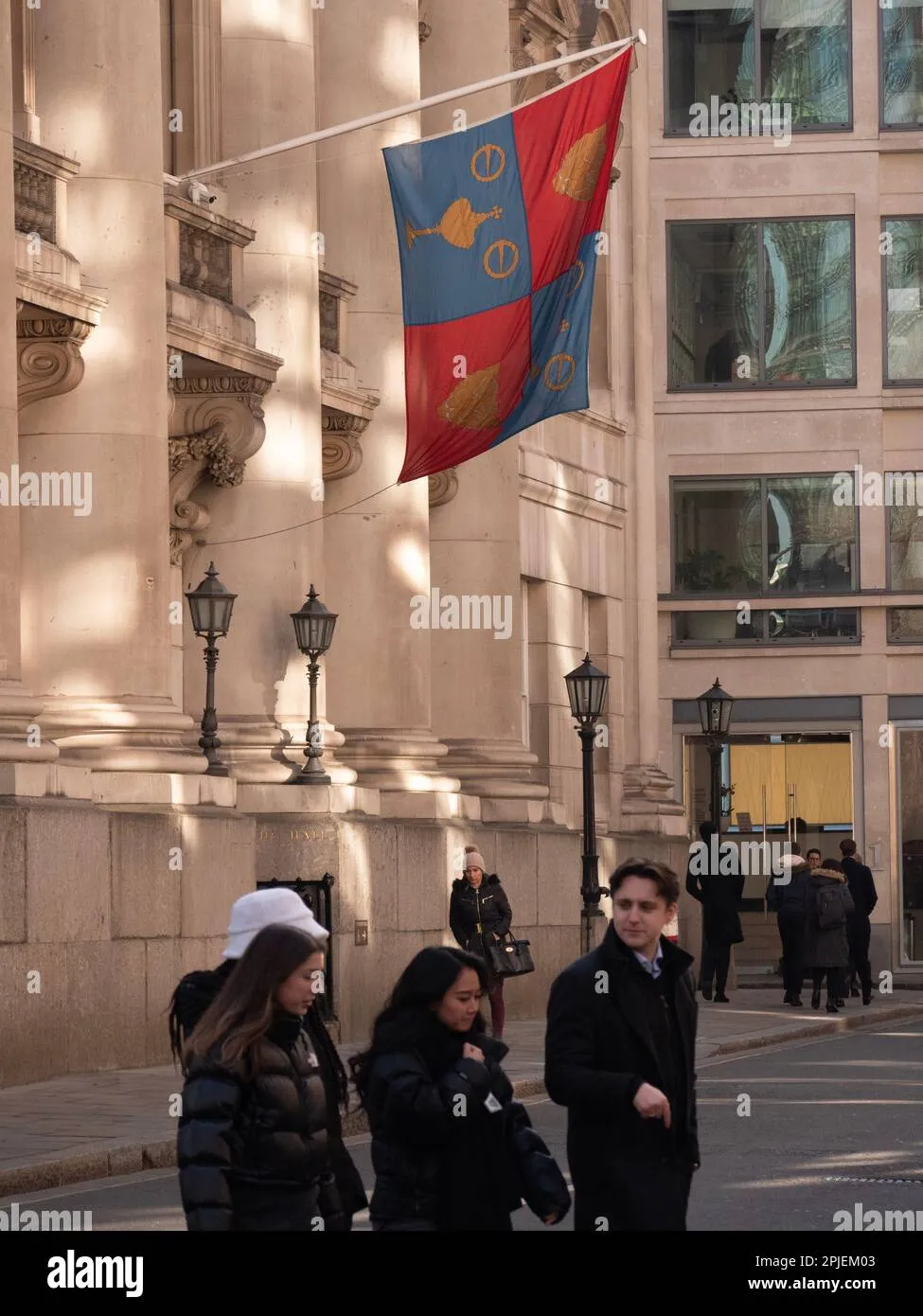 Photo: London Company of Goldsmiths, via c8.alamy.com
The Hidden Job Market Was Actually Hidden
Medieval professional networks operated exactly like today's "hidden job market" — the majority of opportunities never got posted publicly. Guild records from Florence show that between 1350 and 1400, roughly 70% of new positions were filled through personal recommendations before they were ever announced.
This created the same psychological dynamic that tortures modern job seekers: the knowledge that most opportunities are invisible unless you're already connected. Medieval craftsmen developed elaborate letter-writing campaigns, traveled hundreds of miles to attend guild meetings, and maintained correspondence networks that would make a modern LinkedIn influencer jealous.
One surviving letter collection from a 14th-century German carpenter shows him writing to contacts across the Holy Roman Empire, carefully crafting different versions of his professional story for different audiences. "I emphasize my piety to the Munich guild but my innovation to the Venice merchants," he noted in his personal journal. It's medieval personal branding.
Performance Anxiety Across Centuries
The psychological pressure of performing professional identity took the same toll then as now. Medieval guild records are full of what modern psychologists would recognize as networking anxiety. Apprentices reported insomnia before meeting potential masters. Journeymen described the physical symptoms of stress — sweating palms, racing hearts, stomach problems — when presenting their work for evaluation.
A 1389 letter from a young weaver in Bruges to his father perfectly captures the modern job-hunting experience: "I have been to see Master Jan three times now, and each time I leave feeling that I have said something wrong. He asks questions I cannot predict, and I fear my answers reveal me as unworthy. Yet I must continue, for what choice do I have?"
The weaver got the job, incidentally. His father's response letter, preserved in a monastery archive, offers advice that any career counselor would recognize: "Do not dwell on what you cannot control. Present yourself honestly and let the outcome be what it will be."
Why This Pattern Never Goes Away
The fundamental psychological challenge hasn't changed because human social dynamics haven't changed. Whether it's a medieval guild or a modern tech company, professional advancement requires convincing strangers that you're worth the risk. That process triggers the same ancient brain circuits that helped our ancestors navigate tribal hierarchies.
The tools evolve — letters become emails become LinkedIn messages — but the underlying anxiety remains constant. You're still trying to signal competence to gatekeepers, still worried about saying the wrong thing, still performing a version of yourself that you hope will be deemed worthy.
Medieval guilds eventually collapsed under the weight of their own exclusivity, unable to adapt to changing economic conditions. The professional networks that replaced them were more open, more merit-based, and more responsive to actual skill. But they still required networking, still created anxiety, and still left people feeling like they were performing for their professional lives.
Because that's exactly what they were doing. And what we're still doing today.