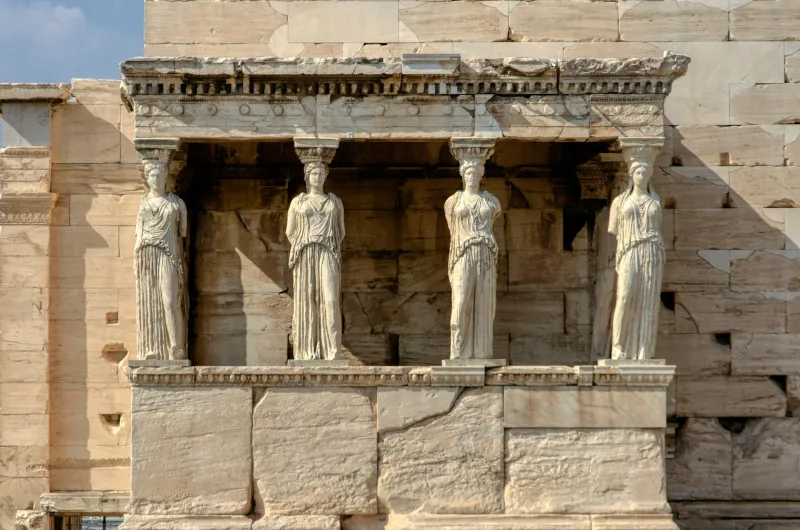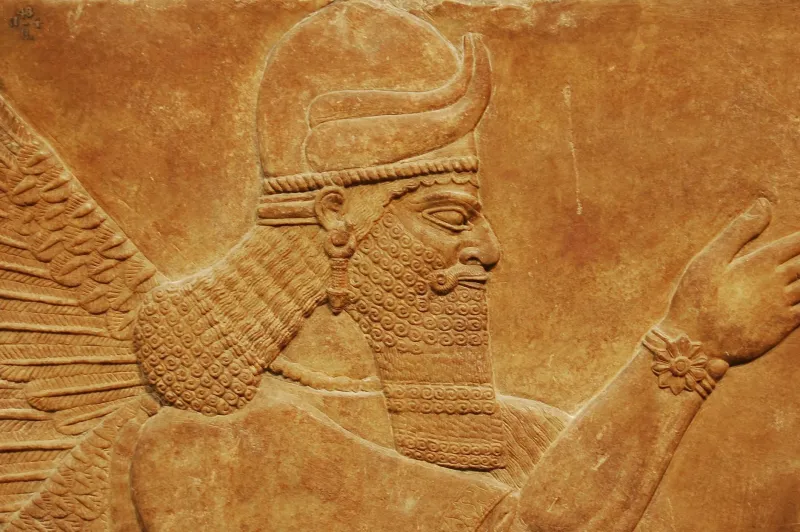
History is the largest psychology study ever run.

Past Mind

History is the largest psychology study ever run.

Latest Articles

Pompeii Had a Twitter Mob. The Walls Prove It.
Psychology

Pompeii Had a Twitter Mob. The Walls Prove It.

Before the ratio existed, Rome had the wall. Ancient graffiti functioned as a full-service public shaming machine — anonymous, viral, and brutally effective at ending careers. The psychology behind the pile-on hasn't changed a bit in two thousand years.

The Con Man Is America's Most Durable Export — and He Never Actually Left
Tech History

The Con Man Is America's Most Durable Export — and He Never Actually Left

The term 'confidence man' was coined in 1849 New York, but the character it describes has been a fixture of American life since before the ink dried on the Constitution. From frontier land fraud to patent medicine to crypto, the same performance keeps working on new audiences — and behavioral science explains exactly why.

Peak Polarization Has Happened Before. Here's the Part Nobody Tells You About What Comes Next.
Politics

Peak Polarization Has Happened Before. Here's the Part Nobody Tells You About What Comes Next.

Every era of peak political polarization has felt like the last one — the final, irreconcilable split before everything breaks. History has run this experiment many times. The results are more complicated, and more instructive, than either side wants to hear.

Rome Had a Name for the Itch You Can't Stop Scratching on Your Phone
Psychology

Rome Had a Name for the Itch You Can't Stop Scratching on Your Phone

Ancient philosophers had a word for the compulsive need to consume disturbing information you didn't ask for and can't use: curiositas. They wrote entire treatises about why smart people couldn't stop doing it. Sound familiar?

Your Boardroom Was Built in 44 B.C.
Psychology

Your Boardroom Was Built in 44 B.C.

The Roman Senate didn't collapse because of barbarians or bad emperors. It collapsed because of the same dysfunctional meeting-room behaviors that are currently wasting three hours of your Tuesday. Organizational psychologists have clinical names for what Cicero was complaining about in his letters — and the match is uncomfortably exact.

The Beak Mask Was Wrong About Everything — And That's Exactly Why It Worked
Tech History

The Beak Mask Was Wrong About Everything — And That's Exactly Why It Worked

The iconic plague doctor mask was built on a completely incorrect theory of disease, and it became one of the most trusted symbols of medical authority in European history. That's not a medieval failure of intelligence — it's a precise demonstration of how human cognition handles confidence and visual credibility, and it works exactly the same way today.

Adults Have Been Panicking About Kids Since Before the Alphabet Existed
Psychology

Adults Have Been Panicking About Kids Since Before the Alphabet Existed

Long before smartphones and TikTok, ancient Mesopotamian scribes were chiseling complaints about disrespectful youth into clay tablets. The fear that the next generation is uniquely ruined has a name — juvenoia — and a track record stretching back further than written language. Here's the receipts.

The Cult Playbook Is Two Thousand Years Old and It Still Works on Smart People
Psychology

The Cult Playbook Is Two Thousand Years Old and It Still Works on Smart People

NXIVM, Heaven's Gate, QAnon — their recruitment tactics look like a franchise operation running off the same master document. That document, it turns out, was written in the first century, and Roman historians were already complaining about it. The psychology hasn't changed because the vulnerabilities being exploited were never bugs in human cognition. They're features.

The Founders Read the Autopsy Reports on Dead Democracies and Built Their Fears Into the Constitution
Politics

The Founders Read the Autopsy Reports on Dead Democracies and Built Their Fears Into the Constitution

The men who wrote the Constitution weren't theorizing about tyranny — they were reading case files. Two thousand years of Greek and Roman documentation on exactly how democracies collapse sat on their bookshelves, and they were frightened by what they found. What they were frightened of is still running for office.

Seneca Knew You Were Going to Ruin Your Morning Before You Even Picked Up Your Phone
Tech History

Seneca Knew You Were Going to Ruin Your Morning Before You Even Picked Up Your Phone

Two thousand years before the algorithmic feed existed, Roman philosophers were documenting the same compulsive hunger for bad news that keeps you glued to your screen at midnight. They had a clinical name for it, a theory of why it happens, and — annoyingly — it still works.

The Secret Rulers of Everything: Why Every Culture in History Invented the Same Story
Tech History

The Secret Rulers of Everything: Why Every Culture in History Invented the Same Story

From Babylonian shadow councils to medieval Jewish blood libel to QAnon, humans have been generating the same basic conspiracy narrative for at least four thousand years. Modern cognitive psychology doesn't just explain why — it explains why we probably can't stop.

The Founders Built a Machine for Humans They Never Actually Met
Tech History

The Founders Built a Machine for Humans They Never Actually Met

Madison, Hamilton, and Jefferson made specific, documented predictions about how people would behave under the Constitution — and within thirty years, almost none of them held up. They weren't fools. They were brilliant theorists running a live behavioral experiment without the tools to know what they didn't know.

Two Thousand Years Apart, Same Exact Fight: Rome's Immigration Debate Sounds Eerily Familiar
Tech History

Two Thousand Years Apart, Same Exact Fight: Rome's Immigration Debate Sounds Eerily Familiar

The late Roman Republic tore itself apart over citizenship expansion, foreign labor, and cultural anxiety. The speeches sound like they could have been delivered at a congressional hearing last Tuesday. Here's what cognitive science tells us about why this argument never actually ends.

The Rise, Fall, and Stubborn Resurrection of Digg: The Site That Almost Broke the Internet
Tech History

The Rise, Fall, and Stubborn Resurrection of Digg: The Site That Almost Broke the Internet

Before Reddit became the undisputed front page of the internet, there was Digg — a scrappy, user-powered news aggregator that dominated the mid-2000s web. This is the story of how it rose to cultural dominance, lost a war it should have won, and refused to stay dead.