Past Mind Home

Category

Politics

21 articles

Workers Have Been Rage-Quitting Civilization Since the Black Death — The Pattern Never Changes

Workers Have Been Rage-Quitting Civilization Since the Black Death — The Pattern Never Changes

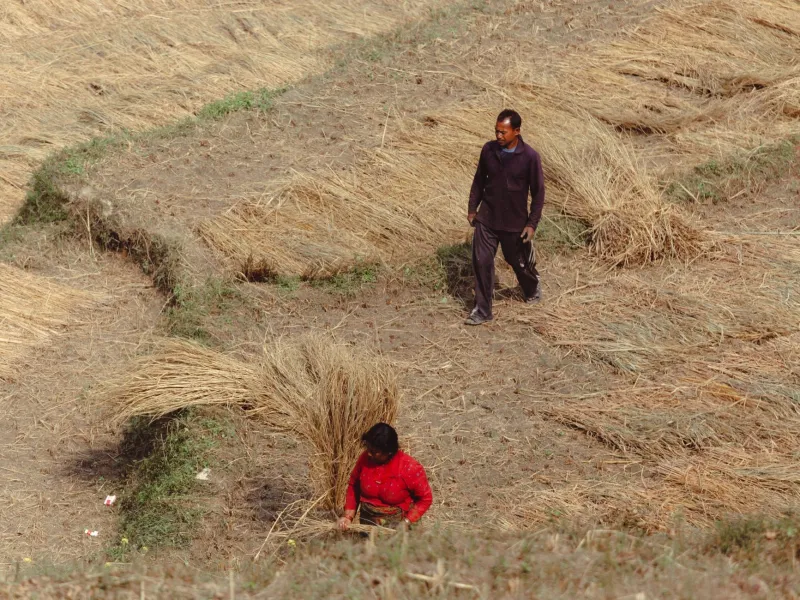
The 2021 Great Resignation felt unprecedented — millions of Americans simultaneously deciding their jobs weren't worth it anymore. Medieval peasants, plague survivors, and 14th-century guild workers made the same calculation under different circumstances and reached identical conclusions. The psychology of collective quitting follows a script that's been running for seven hundred years.

Scholars Were Doomscrolling in 300 BCE — and Going Quietly Insane Doing It

Scholars Were Doomscrolling in 300 BCE — and Going Quietly Insane Doing It

The anxiety of feeling like you're always behind on the news, always missing something important, always one scroll away from understanding the world — that's not a smartphone problem. Ancient scholars at the Library of Alexandria described the same compulsion, the same dread, and the same cognitive collapse. The feed just looked different.

Babylon Invented Lawsuit Culture — Then Drowned in It

Babylon Invented Lawsuit Culture — Then Drowned in It

America gets mocked relentlessly for being the most litigious society on earth, but Babylon got there first — and the cuneiform tablets documenting their legal obsession read like a cautionary tale that nobody in a courtroom wants to hear. When a civilization reaches a certain level of wealth and complexity, the lawsuit epidemic follows as predictably as inflation.

The Medieval Peasant Worked Less Than You Do and Had the Pope to Thank for It

The Medieval Peasant Worked Less Than You Do and Had the Pope to Thank for It

The average feudal peasant in medieval Europe worked fewer annual hours than a modern American salaried employee — not because medieval life was easy, but because the Catholic Church mandated somewhere between 150 and 180 days off per year and backed that mandate with genuine institutional force. The story of how we lost those protections is a story about religion, capitalism, and the American mythology of the grind.

How Rome Turned Its Own Rulebook Into a Wrecking Ball — and Lost the Republic Anyway

How Rome Turned Its Own Rulebook Into a Wrecking Ball — and Lost the Republic Anyway

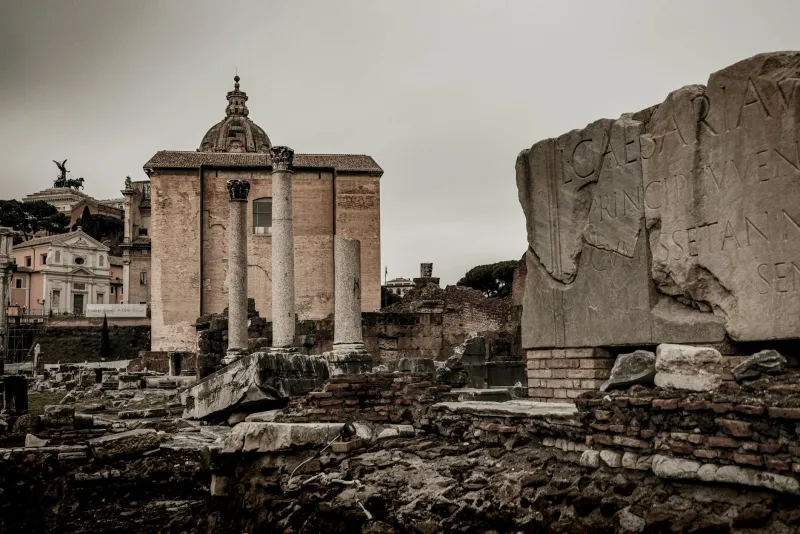
Long before C-SPAN captured senators reading aloud from cookbooks, Roman legislators discovered something far more dangerous than bad policy: a rulebook that could be weaponized by anyone patient enough to abuse it. The procedural paralysis that strangled the late Roman Republic didn't just delay legislation — it handed Julius Caesar his best argument for burning the whole system down.

Athens Invented Political Sorting — Then Watched It Tear the World's First Democracy Apart. Twice.

Athens Invented Political Sorting — Then Watched It Tear the World's First Democracy Apart. Twice.

The two-party doom loop that makes American political life feel like a hostage situation isn't a uniquely modern malfunction. Athenian democracy collapsed under the weight of factional entrenchment not once but twice — and the most alarming part of that story is how quickly Athenians forgot they had ever governed any other way. The ancient Greeks even had a word for what happens when faction stops being a political identity and starts being the whole self.

Who Invented 'Normal'? The Victorian Power Grab That Still Shapes American Culture Wars

Who Invented 'Normal'? The Victorian Power Grab That Still Shapes American Culture Wars

In the mid-1800s, a small group of British reformers decided that the messy diversity of human behavior needed to be classified, ranked, and enforced — and then exported that project directly into American schools, law, and medicine. The concept of 'normal' wasn't discovered. It was manufactured as a social weapon. And the fight over who gets to wield it never stopped.

Why Your Rent Is Bankrupting You: Rome Figured This Out 2,000 Years Ago

Why Your Rent Is Bankrupting You: Rome Figured This Out 2,000 Years Ago

Ancient Romans paid 30-50% of their income on rent, lived in overcrowded tenements, and watched their kids move back home because housing was unaffordable. Sound familiar? The empire's solutions — rent caps, public housing, zoning laws — failed for the exact same psychological reasons today's policies do.

Every CEO's Playbook Came From a Dead Roman Emperor

Every CEO's Playbook Came From a Dead Roman Emperor

Augustus Caesar didn't just conquer enemies — he conquered public opinion using tactics that sound like they came straight from a modern PR firm's strategy deck. Two thousand years later, every politician and corporate leader is still running his exact same plays.

Madison Didn't Trust You. That Was the Whole Plan.

Madison Didn't Trust You. That Was the Whole Plan.

The men who designed American democracy were not optimists about American voters. Madison, Hamilton, and their colleagues built deliberate friction into the system specifically to slow the public down — because they'd read what happened when crowds got control. That design choice has consequences we're still living with.